
by iNews
Share
by iNews
Share

By Sean Kelly
The Western Trust had a total of 249 compulsory admissions related to mental illness in the past year, according to new data from the Department of Health.
Of those, 20 were in the Waterside hospital, and a further 89 were at Grangewood, according to statistics released by the Department of Health.
In total 131 of the patients compulsorily admitted in the Western Trust were female; while 118 were males.
Overall, the number of compulsory admissions under the Mental Health Order (NI) 1986 across the North has decreased by 3.9 per cent over the last five years.
There has been a decrease of 12.9 per cent of compulsory admissions for males. There has been an increase, however, of 6.4 per cent for females.
The statistics cover the year ending March 31, 2023.
More than half of compulsory admissions in 2022/23 were in the 18- 44 age group (50.4 per cent). Only 2.5 per cent of these were under-18s.
Figures also showed that 95 Electro-Convulsive Therapy treatments were administered to 15 patients in the Western Trust in 2022/23.
Eighty-nine ECT treatments were administered to 12 patients at Grangewood in Derry; six treatments were administered to three patients in Tyrone and Fermanagh.
Overall, the number of patients receiving ECT has decreased from 36 in 2018/19 to 15 in 2022/23 in the Western Trust.
Furthermore, the number of ECT treatments administered has decreased from 195 in 2018/19 to 95 in 2022/23.
Statistics covering learning disability hospitals over the same five-year period were also released.
Figures show that the total number of detentions under the Mental Health Order (NI) 1986 at the Waterside Hospital has fallen from 35 in 2018/19 to 28 in 2022/23. That was an increase, however, from 2021/22 when the total number was 24.
The total number of detentions in Grangewood (Gransha), however, has increased from 65 in 2018/19 to 204 in 2022/23.
Across the Western Trust the number of detentions increased from 314 in 2018/19 to 434 in 2022/23.
Overall, there is a total of 111 ‘mental illness inpatients’ residents in the Western Trust on February 17, 2023.
Of those, 65 were in ‘acute’ beds; nine were in a ‘psychiatric intensive care unit’; 13 were in ‘functional mental illness’ beds; four were being treated for ‘addiction’; and 20 were ‘dementia’ patients.
This figure were sourced by the Department of Health from the Mental Illness & Learning Disability (MILD) Census.
The number of compulsory admissions to learning disability hospitals from 2018/19 to 2022/23 across the North as a whole decreased by 57.1 per cent. In 2022/23, 40 per cent of these compulsory admissions involved patients under eighteen years old.
From 2018/29 to 2022/23, there was a decrease in compulsory admissions to learning disability hospitals for males of 64.7 per cent and decrease for females of 50 per cent, leading to a total decrease of 57.1 per cent.
This is a count of all mental illness and learning disability patients who are resident in hospital or on home leave at the time of the Census.
Related Posts

By Henry Robinson NWRC journalism student and Derry City FC fanatic Niall O’Doherty has vowed not to cut his hair until his beloved Candy Stripes win three games in-a-row. The Derry City supporter took his inspiration from fellow football fan Frank Ilett, a Manchester United supporter, who pioneered the challenge on TikTok by refusing to

By Jason Le Masurier A Halloween family fun run/walk is being organised as part of the 30th anniversary of Derry’s Children-in Crossfire charity. The family-centred event on Saturday October31, starting at 10am,, will raise funds to support vulnerable children in Tanzania and Ethopia. Richard Moore, chief executive of Children in Crossfire, said

By Jason Le Masurier The Alley Theatre in Strabane is organising a colourful programme of workshops for children, families and adults, during the autumn at Strabane Library. From October through to December, the programme offers something for all ages and interests, from traditional crafts and upcycling to animation, ceramics, creative journaling, and festive making. Whether
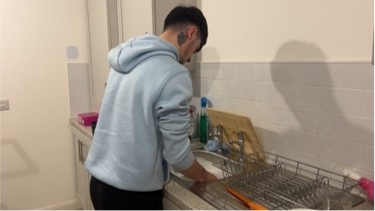
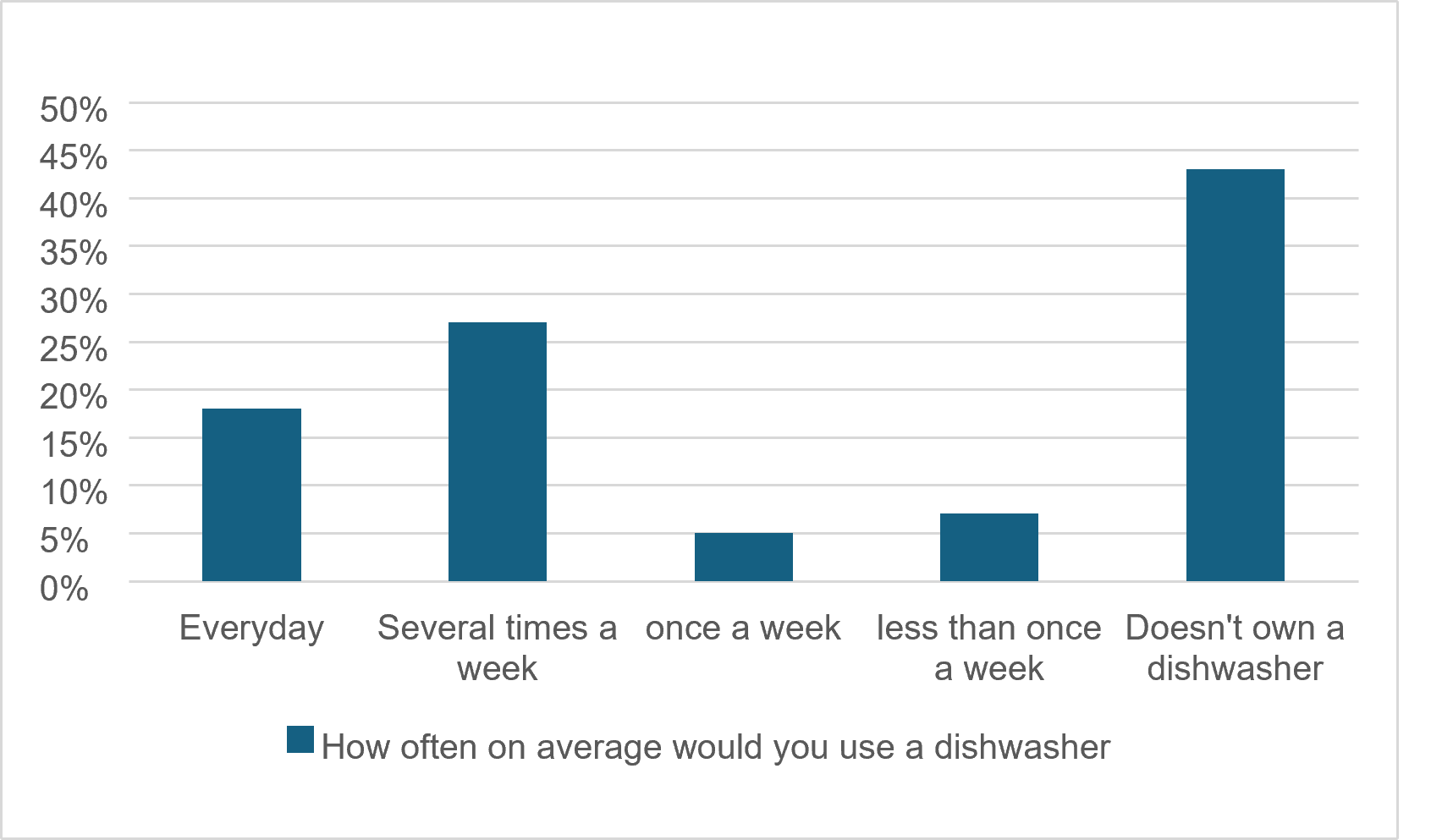
By Henry Robinson Almost half of all households in Northern Ireland don’t have a dishwasher, according to newly released figures. In the latest water usage survey, Northern Ireland Statistics and Research Agency has revealed that 43 per cent of households in Northern Ireland didn’t own a dishwasher, while only 18 per cent of households used