
by iNews
Share
by iNews
Share

Munira Subašić, the President of the Mothers of Srebrenica and Žepa Enclaves, will visit the Derry and Strabane Council area next week as part of Holocaust Memorial Week.
Munira’s organisation is one of the main groups representing victims of the Srebrenica genocide and she is the special guest at a Holocaust Memorial event at the Guildhall at 7pm which will discuss the 1995 massacre at 7pm on Tuesday 21st January.
She lost 22 members of her family during the massacre in the region where over 8,000 men and boys were killed, including her younger son and husband.
The visit is an initiative of Derry City and Strabane District Council, supported by The Executive Office, and organised with the Remembering Srebrenica group.
Mayor of Derry and Strabane, Councillor Lilian Seenoi-Barr, said she was looking forward to welcoming her to the city.
“I am honoured and humbled to have the opportunity to meet Munira and discuss the events that impacted so many people at Srebrenica, including her own family.
“She is a remarkable woman who has been through so much yet continues to be an advocate for truth and reconciliation.
“In the words of the Srebrenica prayer, we are all advocates for hope and justice and join the Mothers in praying that what happened there will never happen to others anywhere.
“As a Council we are determined to continue to support hope and justice for all communities here and elsewhere.
“Acknowledgement is such a powerful response and we acknowledge the pain, hurt and injustice suffered by the victims of Srebrenica and their families,” she added.
Munira Subašić added: “There are many mothers and relatives like me still suffering from what happened in July 1995.
“In the space of a week or two 8,372 Muslim men and boys were killed, including my son and husband and 22 members of my family.
“We know there is nothing we can do or say to bring them back but we can talk about the need for acknowledgement of what happened, understanding of the needs of victims, and to advocate for anti-prejudice practice that may prevent more people becoming victims elsewhere.”
I want to thank Derry City and Strabane District Council for their foresight and recognition of the Srebrenica genocide, for planting a memorial tree at St Columb’s Park House and for their support for Bosnia and the victims of genocide there.”
Munira will have meetings and speak at events with local schools, the PSNI, Strabane Inter Ethnic Forum, peace barrier projects, and will speak with Council officers and Elected Members.
The visit is supported by the Good Relations section of Derry City and Strabane District Council.
The event is open to the public and no prebooking is necessary.
Related Posts

By Henry Robinson NWRC journalism student and Derry City FC fanatic Niall O’Doherty has vowed not to cut his hair until his beloved Candy Stripes win three games in-a-row. The Derry City supporter took his inspiration from fellow football fan Frank Ilett, a Manchester United supporter, who pioneered the challenge on TikTok by refusing to
By Jason Le Masurier A Halloween family fun run/walk is being organised as part of the 30th anniversary of Derry’s Children-in Crossfire charity. The family-centred event on Saturday October31, starting at 10am,, will raise funds to support vulnerable children in Tanzania and Ethopia. Richard Moore, chief executive of Children in Crossfire, said
By Jason Le Masurier The Alley Theatre in Strabane is organising a colourful programme of workshops for children, families and adults, during the autumn at Strabane Library. From October through to December, the programme offers something for all ages and interests, from traditional crafts and upcycling to animation, ceramics, creative journaling, and festive making. Whether
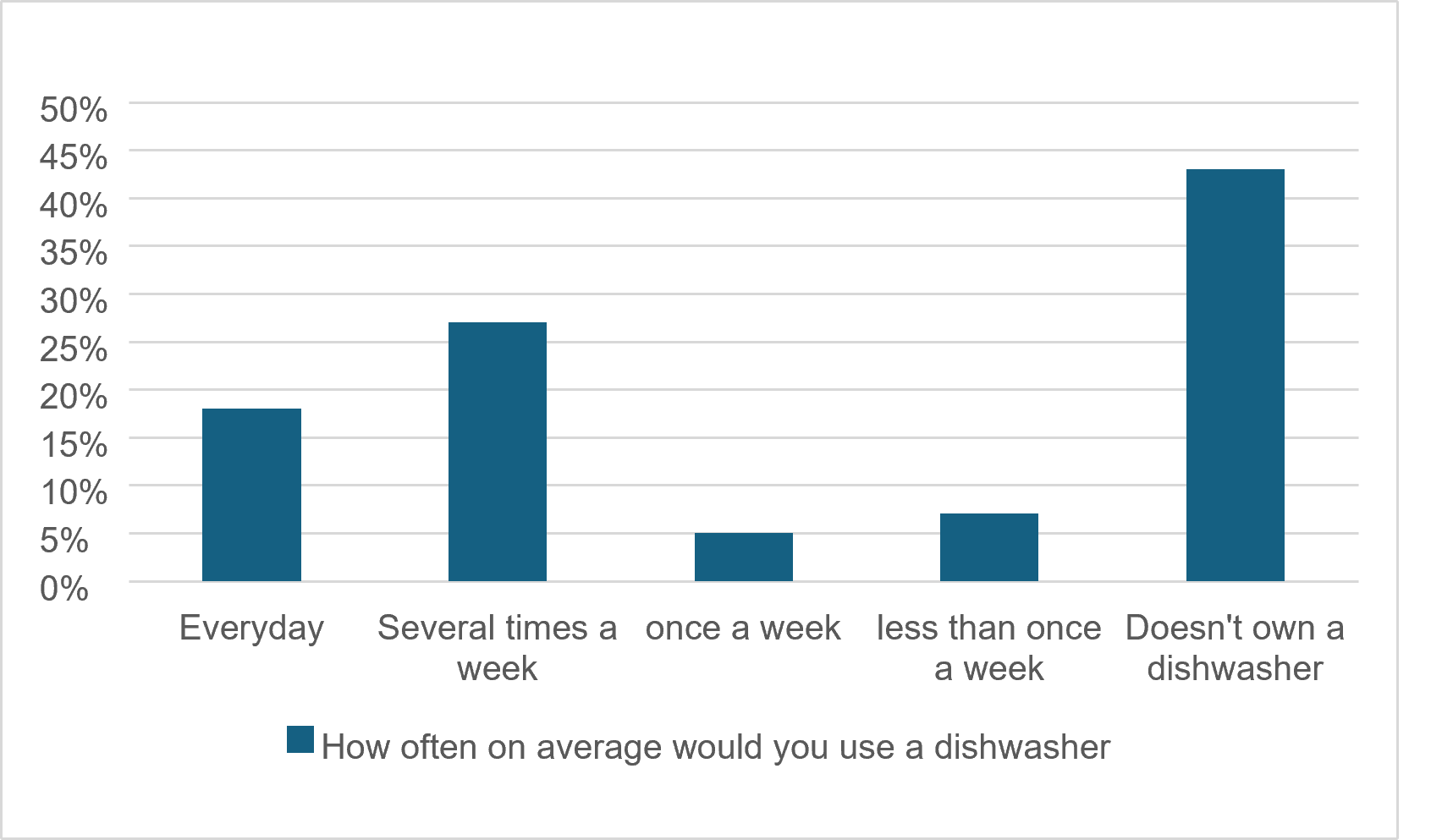
By Henry Robinson Almost half of all households in Northern Ireland don’t have a dishwasher, according to newly released figures. In the latest water usage survey, Northern Ireland Statistics and Research Agency has revealed that 43 per cent of households in Northern Ireland didn’t own a dishwasher, while only 18 per cent of households used