
by iNews
Share
by iNews
Share

By Paul McConnell
A new one-way system for traffic may be implemented on the Strand Road as early as next year. This is according to information released as part of the New City Deal, which will see a cash injection of close to £300 million into the Derry and Strabane region.
It is understood that the money will be used for “regenerationprojects” in Derry city centre, and Strabane town. Among the projects earmarked for funding are a new health centre, an expansion of NWRC’s Strabane Campus, and the construction of a new School of Medicine at Ulster University’s Magee Campus.
One issue that has proved divisive, though, is a proposed one-way traffic system which will be brought into force along the Strand Road. It is proposed that this “reconfiguration” of the traffic system will involve a “two-lane one-way system” between the Strand Road and Queen’s Quay. This is to aid with traffic congestion in the city.
Ethan McLaughlin, who travels between Strathfoyle and Springtown where he works, welcomed the move.
He said: “The traffic around the new [Foyle] bridge in themornings is a nightmare. This might take some of that away. No harm in trying something.”
Aidan Mullan, who works as a delivery driver in Derry and the surrounding areas, was less keen on the prospect.
“It’s going to be Ferryquay Street all over again. They’ll bring it [one-way system] in, and everybody will hate it, it’ll make the traffic worse. If they’d chat to people, ordinary people, before they do these things we’d be able to tell them. It’s a terrible idea.”
Martina Morrissey works at NWRC on the Strand Road. She believes the move could be a step in the wrong direction.
“That’s not a good idea. I don’t think that will work at all. I think that’ll cause even more congestion on the Strand Road,”Ms Morissey said.
Most people acknowledge that there may well be both positives and negatives to the move. Retired schoolteacher, Tony Furey felt that the idea would require consultation with local people.
He said : “I suppose it’s really the business people they’d need to chat to. It would be them most affected by it. They’re the people that depend on the traffic going up and down the street.
“It could go the same way it did up [on Ferryquay Street] near the diamond. They had to change it back in the end up, so they’ll need to chat to the people involved.”
His wife Mary said planners should give more consideration to parking. She hoped existing carparks would not be closed off.
“There needs to be more accessible parking as well. Maybe they could address that as part of this plan,” Mrs Furey said.
Pic caption: The new one-way system will operate between Queen’s Quay and Strand Road.
Related Posts

By Henry Robinson NWRC journalism student and Derry City FC fanatic Niall O’Doherty has vowed not to cut his hair until his beloved Candy Stripes win three games in-a-row. The Derry City supporter took his inspiration from fellow football fan Frank Ilett, a Manchester United supporter, who pioneered the challenge on TikTok by refusing to

By Jason Le Masurier A Halloween family fun run/walk is being organised as part of the 30th anniversary of Derry’s Children-in Crossfire charity. The family-centred event on Saturday October31, starting at 10am,, will raise funds to support vulnerable children in Tanzania and Ethopia. Richard Moore, chief executive of Children in Crossfire, said

By Jason Le Masurier The Alley Theatre in Strabane is organising a colourful programme of workshops for children, families and adults, during the autumn at Strabane Library. From October through to December, the programme offers something for all ages and interests, from traditional crafts and upcycling to animation, ceramics, creative journaling, and festive making. Whether

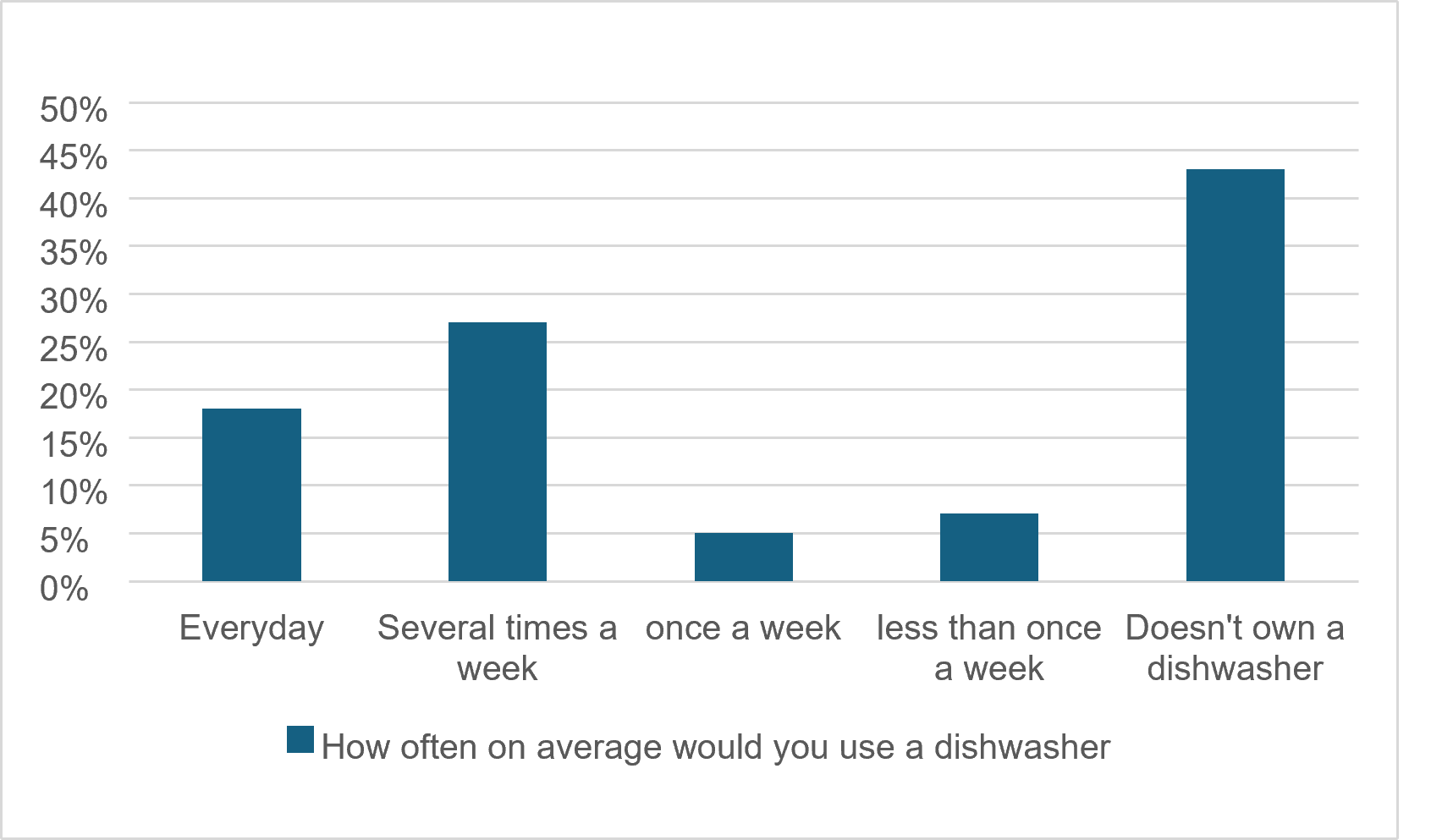
By Henry Robinson Almost half of all households in Northern Ireland don’t have a dishwasher, according to newly released figures. In the latest water usage survey, Northern Ireland Statistics and Research Agency has revealed that 43 per cent of households in Northern Ireland didn’t own a dishwasher, while only 18 per cent of households used